

Federal Data Shows 61% Surge in Near-Misses and 23-Fold Jump in Controller Workload
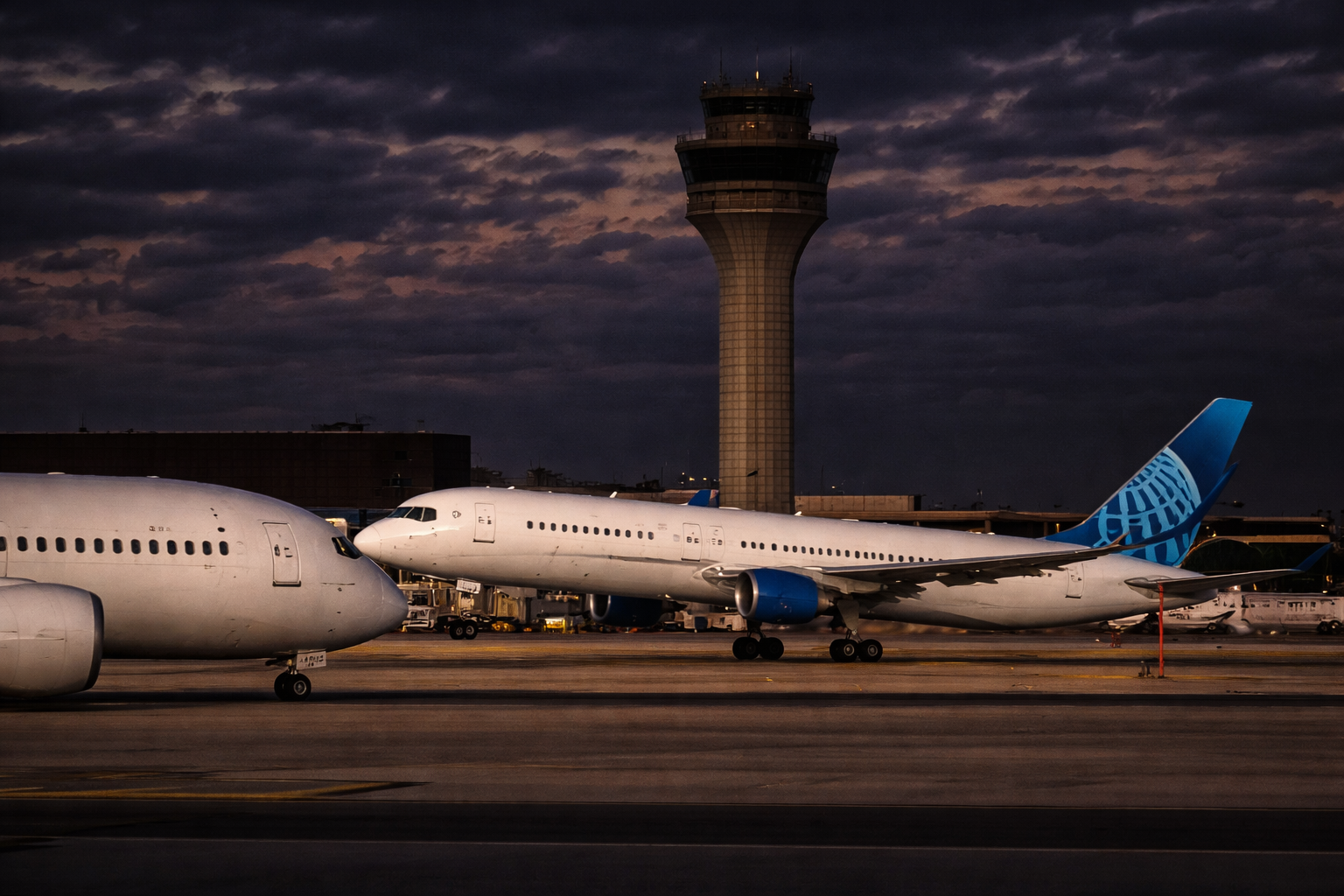


61% surge in near mid-air collisions and 23-fold rise in controller workload highlight ongoing U.S. air traffic control staffing crisis.
Air traffic control towers will "never" reach full staffing under the current system.”
NEW YORK, NY, UNITED STATES, March 31, 2026 /EINPresswire.com/ -- Just days after the deadly runway collision at LaGuardia Airport that killed two Air Canada pilots, independent analysis by AviatorDB reveals near mid-air collisions nationwide have increased 61 percent since 2019, with controller workload in the most dangerous incidents surging 23-fold.— Former FAA Administrator Mike Whitaker
The findings come from AviatorDB's analysis of 149,000 pilot and controller-reported confidential safety reports from NASA's Aviation Safety Reporting System and 94,000 National Transportation Safety Board accident records covering the period from 2019 -- the last full year of normal operations before the COVID-19 pandemic -- through December 2025. The LaGuardia crash marks the second fatal accident involving air traffic control factors at a major U.S. airport in 14 months, following the January 2025 midair collision at Reagan National Airport that killed 67 people.
United Airlines CEO Scott Kirby told CNBC that 68 percent of the airline's delays on clear-weather days in 2024 were caused by air traffic control staffing limitations. Former FAA Administrator Mike Whitaker said publicly that air traffic control towers will "never" reach full staffing under the current system.
The increase is not explained by growth in air traffic. According to FAA data, U.S. air carrier activity in 2024 was 5.5 percent above 2019 levels -- while near mid-air collisions are 61 percent above 2019 levels. When filtered to incidents where ATC was a contributing factor, the trend holds: ATC-involved near mid-air collisions increased 30 percent, and ATC-attributed critical runway incursions nearly doubled. For the most dangerous runway incursions, 57 percent were caused by air traffic control, according to FAA data.
AviatorDB's analysis identified controller workload as the dominant factor. In 2019, workload was cited in roughly 1 out of every 1,000 safety reports. By 2024, it appeared in 26 out of every 1,000 -- a 23-fold increase. Communication breakdowns increased 248 percent. Training issues increased 306 percent. Aviation safety experts and the National Air Traffic Controllers Association argue these are symptoms of a single root cause: a controller workforce that was already stretched thin before traffic returned to pre-pandemic levels is now critical.
According to the 2025-2028 FAA Controller Workforce Plan, the number of fully certified controllers stood at 10,730 against the FAA's own staffing target of 14,633 -- a deficit of 3,544. The FAA has exceeded its hiring targets three years running, but the pipeline produces roughly 1,000 certified controllers per year while losing approximately 1,300 to retirement, training failures and resignations.
The investigation documented confidential safety reports from controllers describing dangerous working conditions at facilities across the country. Controllers reported working multiple positions simultaneously, absorbing airspace from facilities that could not open due to staffing and managing fatigue from months of mandatory overtime. One controller at the Los Angeles Air Route Traffic Control Center, working five combined sectors with 25 aircraft, wrote: "I have no idea what to do with all these aircraft. What I experienced last night was incredibly dangerous, and I do not say that lightly."
At LaGuardia Airport, AviatorDB identified multiple safety reports filed in 2025 describing near-miss collisions in the months before the fatal March 23, 2026 collision between an Air Canada Express jet and a fire truck that killed both pilots. In August 2025, a captain filed a report after the tower cleared an aircraft for takeoff while the captain's plane was 300 feet from landing on an intersecting runway. The report ended with a plea: "The pace of operations is building in LGA. The controllers are pushing the line. On thunderstorm days, LGA is starting to feel like DCA did before the accident there. Please do something."
After the Reagan National crash, the National Transportation Safety Board issued 50 safety recommendations. Congress responded with the ALERT Act of 2026, but the safety board concluded the legislation "would not implement many NTSB recommendations." FAA runway safety initiatives launched in 2023 contributed to a drop in Category A/B (most serious) runway incursions in 2024, but the broader trend in near mid-air collisions continued at levels well above pre-pandemic baselines.
"The data shows the margin of safety is shrinking," said Jim Kerr, President of AviatorDB. "The FAA, Congress, and the aviation industry know what the fixes are -- more controllers, modernized equipment, and better safety technology."
This investigation follows AviatorDB's March 2026 report on the controller shortage, "Nearly 58,000 Applied. Only 2% Made It: Inside the Controller Shortage the FAA Can't Fix," which documented the FAA's hiring pipeline challenges. Read more about why the FAA cannot fill the open backlog of controllers: https://aviatordb.com/news/safety/atc-controller-shortage.
Read the complete investigation, including full data tables, four data visualizations, human factors analysis, NASA ASRS report citations and NTSB case numbers, at https://aviatordb.com/news/safety/near-mid-air-collisions-surge.
About AviatorDB
AviatorDB (aviatordb.com) is an aviation data platform used by plane spotters, researchers, journalists and aviation enthusiasts worldwide. The platform aggregates and cross-references U.S. and international aviation databases -- including FAA registration, NTSB accident records, NASA safety reports and maintenance filings -- covering more than 767,000 aircraft across 200 countries and tracking more than 250,000 aircraft positions daily. This analysis was conducted independently and is not affiliated with any government agency, airline or aircraft manufacturer.
Jim Kerr
AviatorDB
+1 888-507-4743
press@aviatordb.com
Visit us on social media:
LinkedIn
X
Legal Disclaimer:
EIN Presswire provides this news content "as is" without warranty of any kind. We do not accept any responsibility or liability for the accuracy, content, images, videos, licenses, completeness, legality, or reliability of the information contained in this article. If you have any complaints or copyright issues related to this article, kindly contact the author above.
